Energy
60 kWp of solar panels cover 70% of our annual needs, and all the hot water is solar. The backup generator still runs, mostly in the rainy season: about 30% of our energy. We say so because it is true.
70%solar energy
100%solar hot water
We show no certification logo, because we have none. We show what we measure, and what is not good enough yet.
60 kWp of solar panels cover 70% of our annual needs, and all the hot water is solar. The backup generator still runs, mostly in the rainy season: about 30% of our energy. We say so because it is true.
A 180 m³ tank collects rainwater for the garden and the bathrooms. Drinking water is filtered on site, showers have a reduced flow and towels are only changed on request.
No plastic bottles: filtered-water carafes in the rooms and a free flask on arrival. 62% of our waste is composted or recycled. Every Saturday morning the team and village volunteers clean the beach.
The lodge employs 34 people, 29 of them (85%) hired within 30 km. Training is ongoing: languages, first aid, cooking. 80% of fresh produce is bought in Kribi and the neighbouring villages.
1,000 FCFA per night goes to the village turtle monitoring programme in Ebodjé: 3,182,000 FCFA in 2025, for 3,182 guest nights. Participants on the “Turtle night” outing add 5,000 FCFA each. This contribution is never added to your bill.
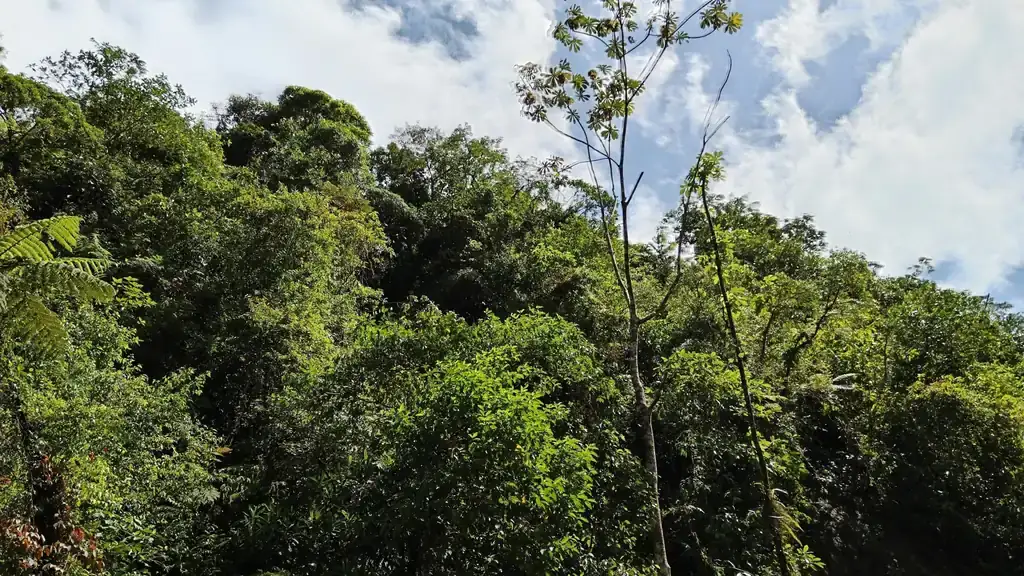
Raffia roofs, stabilised-earth walls, reclaimed timber for threatened species (azobé, moabi, ebony). Two and a half hectares out of four are left as forest, and a 2,000-plant nursery has allowed 640 trees to be replanted since 2022.
Azobé is a dark red hardwood from the Central African forest, so dense it sinks, and so tough it never rots in seawater: the old jetties along this coast were built from it. The species is now listed as vulnerable by the IUCN, so we only use reclaimed azobé: our bar counter is an old fishing jetty.
Demo data: AZOBÉ is a fictional brand. The figures above illustrate the kind of information a real establishment can publish and back up.